An expert’s guide to replacing windows in a listed building
If you’re responsible for a listed building, you can be forgiven for approaching upgrading your timber windows with caution. Replacing windows in a listed building can be one of the trickiest parts of renovation. It’s not just about the regulatory demands; when it comes to heritage properties, there’s a sense of responsibility to ensure the best possible performance while honouring the character and history of the property.
This is where expert guidance can make all the difference, and at FA North, we’re experts when it comes to heritage windows. In this guide, we’re drawing on our decades of experience designing, manufacturing, and installing timber windows for listed buildings throughout Nottinghamshire and the surrounding areas. We’ll walk you through what you can and can’t do when replacing windows in a listed property, and which types of windows and glazing are likely to be approved.
Don’t forget, if you’re planning a renovation project, we can help you create bespoke, compliant timber windows that preserve your property’s heritage while improving thermal efficiency.

Understanding listed buildings and window regulations
In the UK, listed buildings are properties or structures that are considered to be of national importance. As such, they are protected by law and will be included on a national register. In England, listed buildings fall under three categories:
- Grade I listed buildings are of exceptional interest, such as St Paul’s Cathedral.
- Grade II* listed buildings are not only of special interest but also warrant preservation, for example, St Pancras Station.
- Grade II listed buildings refer to buildings of special interest, like Colwick Hall in Nottingham.
When buying a property, your conveyancer should conduct a local authority search and advise if a building is listed. It’s also important to check if any work has been carried out on a property before purchasing. It’s a criminal offence to carry out unauthorised works, and as the owner, you could be made to reverse any works or even be prosecuted.
What’s the difference between listed building consent and planning permission?
Planning permission is a means of asking for permission to carry out works such as extensions or alterations to a building. Usually, the planning department of your local council will handle this, so any queries should be directed there.
What many people don’t initially realise is that listed building consent and planning permission have their own different requirements and are not interchangeable. As the homeowner, it is your responsibility to check if both are required and obtain the right permissions.
So where does FENSA come into the equation? Generally, in the UK, new windows need FENSA certification as a way of proving they’re building regulations compliant. But when it comes to replacing windows and doors in a listed building, FENSA certification is not enough; you must always obtain listed buildings consent.
There can sometimes be contradictions between FENSA regulations and listed buildings requirements. For example, where single glazing is required to meet conservation requirements. Here, justification for single glazing would need to be provided, or a double-glazed solution be found that satisfies conservation officers.
We have a lot of experience in these cases and can talk you through similar projects we’ve been involved in. But ultimately, it’s best to contact your conservation office or the relevant local planning authority once you have an idea of the work needed, but before you place any orders for work.
When is it time to change the windows on your listed building?
Windows in a listed building are part of its story and character, so replacement isn’t something to take lightly. As a crucial part of the building’s history, any upgrades should be properly authorised, and in many cases, careful repair or refurbishment is preferred. But all too often, the damage is too severe, for example, if the timber is rotting, warped, or the window is unsafe to use.
When replacement becomes necessary, it’s all about staying true to the original. Any new windows should match the materials, design, profiles, glazing bars, and opening mechanisms of the originals. Working with heritage joinery specialists in this case ensures that these subtle details are faithfully recreated, preserving both the building’s charm and its historic integrity.
What kinds of windows are suitable for a listed building?
When it comes to listed buildings, heritage joinery specialists such as ourselves understand the subtleties of historic design and can ensure that new windows blend seamlessly with the rest of the property. Listed buildings often feature styles such as sash, casement, bay, or arched windows, and timber is almost always the material of choice because of its authenticity and sustainability.
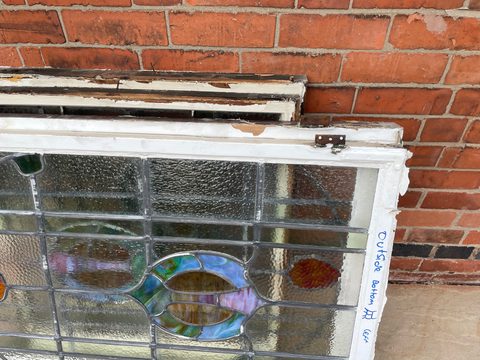
In terms of features, we have worked with a wide range, including leaded or stained glass, plant on bar, and fanlights. Our team has even recreated exact mouldings and casement thicknesses to meet listed building and conservation standards while achieving a stunning visual result.

Are windows for listed buildings expensive?
Costs for listed building windows vary depending on size, style, number of units, and the level of bespoke craftsmanship required. Heritage projects tend to be more expensive than standard replacements due to specialist joinery, glazing, and conservation requirements. With this in mind, though, they do deliver exceptional long-term value, preserve the property’s character and even help maintain value. And, with the right manufacturer, you’ll even end up with something that improves energy efficiency.
We’d always advise talking to your potential suppliers, finding out more about their processes and whether they manufacture their windows locally. We’ll usually provide a tailored quote once we’ve seen and understood your property’s unique requirements.
Checklist: Replacing windows in a listed building
To summarise, here’s a quick checklist to get you started if the timber windows in your building need attention:
Check listing status – Confirm grade and any past works.
Get consent – Listed building consent is always required; planning permission alone isn’t enough.
Match originals – Use the same timber, profiles, glazing bars, and opening mechanisms.
Choose the right style – Sash, casement, bay, or arched windows are typical.
Work with specialists – Heritage joiners ensure authenticity and compliance.